
How Professional Interior Painting Works From Estimate to Final Walkthrough
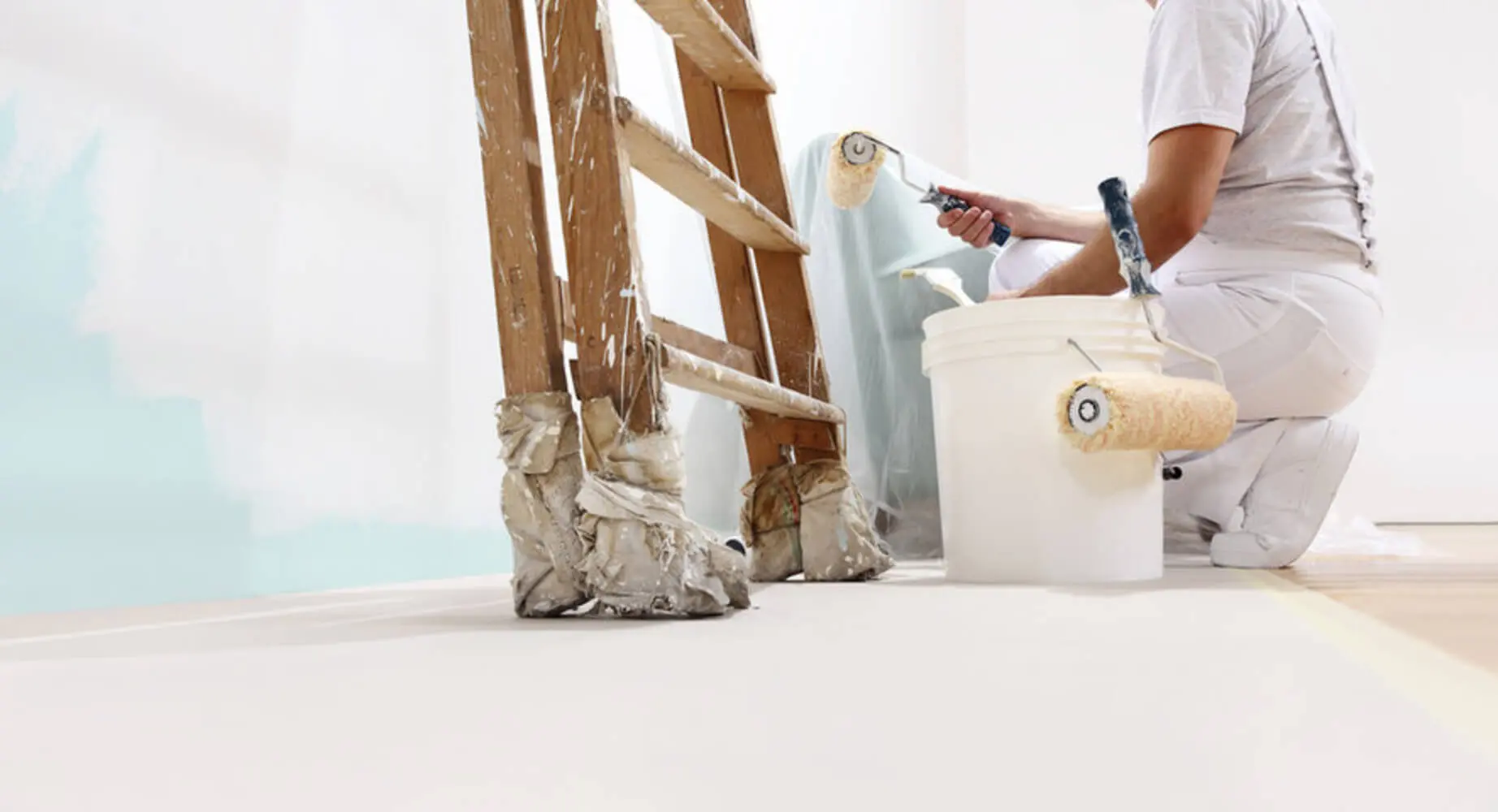
If you have never had a professional painting crew work inside your home before, it is natural to wonder what you are actually signing up for. How long will it take? What do you need to do before they arrive? Will the house feel like a construction zone for a week?
The short answer is no. A professional interior paint job is a managed process with a clear sequence. When you know what happens at each stage, what the crew handles, and what you are responsible for, the project is far less disruptive than most homeowners expect. This guide walks you through how professional interior painting works from the estimate visit through the days after the project wraps, so there are no surprises along the way.
What Happens During the Estimate Visit
The estimate visit is more than a pricing conversation. It is the first real opportunity to see how a contractor operates and whether their process matches what you need.
A professional estimate visit involves a thorough walkthrough of the space. The contractor or project manager inspects surface conditions, identifies any repairs needed, discusses the scope room by room, and confirms your color and finish preferences. A contractor who spends five minutes and hands over a number without walking the full space is not assessing the project seriously.
When the estimate arrives, it should be in writing and cover all of the following:
- The rooms and surfaces being painted and any exclusions
- The number of coats per surface
- What prep work is included
- The products being used
- The projected timeline
- Payment terms and schedule
Anything not documented in writing is not guaranteed. If any of these items are missing from the estimate you receive, ask for them before signing anything.
The estimate visit is also your opportunity to ask questions about the crew, the process, and how communication will be handled during the job. If you are still working through how to evaluate a contractor before committing, the framework for assessing a painting contractor’s process and credentials applies equally to interior work. [Link to interior painting service page]
How a Professional Painting Contractor Communicates Throughout the Project
One of the most common concerns homeowners have about hiring a painting contractor is not knowing what is happening or when. A contractor who communicates proactively removes that uncertainty before it becomes a source of stress.
Proactive communication across a professional project looks like this:
- Color confirmation before the start date so there are no surprises on day one
- Arrival time notification before the crew shows up each morning
- Daily progress updates so you always know where the project stands
- A named point of contact for any questions or concerns throughout the job
At Painter Guys, a named project manager is assigned to every job and serves as the homeowner’s direct contact from estimate through final walkthrough. Daily progress reports are standard. This is the level of organization and communication a homeowner should expect from any professional contractor they hire.
The way a contractor communicates before the project starts is a reliable indicator of how they will communicate once work begins. A contractor who is specific, responsive, and organized during the estimate will operate the same way on the job.
How to Prepare Your Home Before the Crew Arrives
Your preparation before the crew arrives is minimal but important. A few steps handled in advance keep the project moving from the first day without avoidable delays.
Before the crew arrives, your responsibilities are:
- Remove small, fragile, or valuable items from the rooms being painted
- Take down wall hangings, artwork, mirrors, and decorative items
- Secure pets in a separate area for their safety and to keep the workspace clear
- Confirm your color selections are finalized. Last-minute color changes after the crew has arrived add time and cost to the project.
You do not need to move large furniture or cover floors yourself. The painting crew handles that. They move furniture away from walls, cover it with protective sheeting, lay drop cloths on floors and carpets, and mask trim and fixtures before any work begins. Your job is to clear what is personal or fragile. The rest is theirs.
What the Painting Crew Does Before Any Paint Goes On
Preparation is the phase that determines how long the paint job lasts and how good it looks. Most of what separates a professional result from a DIY one happens before any paint is applied.
Once the crew has protected the space, they move through a thorough surface preparation process:
- Cleaning walls to remove dust, grease, and residue that would prevent paint from bonding
- Patching nail holes, cracks, and minor surface damage
- Sanding rough spots and glossy areas so primer and paint adhere properly
- Caulking gaps along trim, corners, and seams for cleaner, more finished lines
- Priming bare, repaired, or stained surfaces before the finish coat goes on
Imperfections that are not addressed before painting become more visible after fresh paint is applied, not less. A smooth, even finish starts with surfaces that have been properly cleaned, repaired, and primed. The prep phase is where the durability of the result is established.
How Professional Interior Painting Is Applied
Once surfaces are prepared, painting follows a specific sequence. Ceilings are painted first, then walls, then trim. This order prevents drips or overspray from a surface painted later from landing on one that has already been finished.
Within each surface, the crew cuts in edges and corners with a brush before rolling the larger field areas. This combination of brush and roller work produces clean lines at transitions and even coverage across the full surface.
Two coats are the professional standard. A single coat rarely provides consistent coverage, full color depth, or long-term durability. Two properly applied coats are what produce a finish that holds up over time. Each coat needs sufficient drying time before the next one goes on. Rushing that interval compromises the result.
During painting days you can expect:
- Limited access to certain rooms while paint is wet
- Paint odor during application that fades as the paint dries and airflow increases
- A consistently organized workspace. Drop cloths stay in place, tools are stored neatly, and the area is left clean at the end of each day.
What Cleanup and the Final Walkthrough Include
A professional paint job is not finished when the last coat is applied. The cleanup and final walkthrough are what complete it.
Cleanup involves removing all protective materials from the space:
- Drop cloths and plastic sheeting come down
- Painter’s tape is pulled from trim, windows, and fixtures
- Outlet covers and hardware are reinstalled
- The space is left clean and ready to use
Before the walkthrough begins, the crew performs a detailed inspection and addresses any touch-ups. Missed spots, uneven coverage, paint drips, or rough edges are corrected before the homeowner sees the finished result.
The final walkthrough is done together with the project manager. Each painted surface is reviewed, you can point out anything that needs attention, and any remaining touch-ups are addressed on the spot. At the end of the walkthrough, leftover paint is labeled with the room name, color, and finish so you have it on hand for future touch-ups.
How Long a Professional Interior Painting Project Takes
Timeline varies significantly depending on the scope of the project. Here are general ranges by project size:
- A single room typically takes one to two days
- Multiple rooms or a partial interior typically takes three to five days
- A full interior repaint of a larger home can take one to two weeks
Beyond room count, several factors affect how long a project runs:
- Ceiling height, since higher ceilings require additional setup and labor
- The amount of trim, doors, and detail work involved
- How much surface repair is needed before painting can begin
- Significant color changes that require additional coats for proper coverage
One distinction worth understanding is the difference between drying time and curing time. Paint may feel dry to the touch within a few hours, but full curing takes days to weeks depending on the product and conditions. During the curing period the paint continues to harden and surfaces should be handled with care. In Palm Beach County, indoor humidity levels during summer months can slow drying time, which professional crews account for when planning the work schedule.
What to Expect in the Days After the Project Is Complete
The project being finished does not mean the paint is fully set. The days after completion require a small amount of care to protect the result.
What you can do right away:
- Move light furniture back into place once the paint is dry to the touch
- Resume normal use of most rooms within a day or two
- Clean surfaces lightly with a soft cloth if needed
What to wait on for the first few weeks:
- Scrubbing or washing painted walls
- Hanging heavy artwork or shelves
- Using harsh cleaners on fresh surfaces
These activities during the curing period can damage the finish before it has fully hardened. Treating surfaces gently during the first few weeks protects the investment and preserves the result you just paid for.
The labeled leftover paint from the final walkthrough is your resource for any small touch-ups that come up later. Knowing the exact product and finish means future touch-ups will match the original result cleanly.
Now You Know What to Expect — Here Is How to Get Started
A professional interior painting project is a predictable, well-managed process when the right contractor is running it. The homeowner’s role is minimal, the sequence is clear, and the result is a finished space that looks clean and holds up over time.
You now know what every phase involves. The estimate visit starts everything. If you want to understand what a well-run exterior painting project looks like under Palm Beach County’s conditions, the same preparation and process principles apply indoors and out.
When you are ready to move forward with your interior project, we would welcome the opportunity to walk through your space, assess what it needs, and put together a written estimate that covers every detail. Request an estimate from Painter Guys and see firsthand how a managed, professional process runs from start to finish.